Blog

Hammer Toe: Why You Need to See a Podiatrist

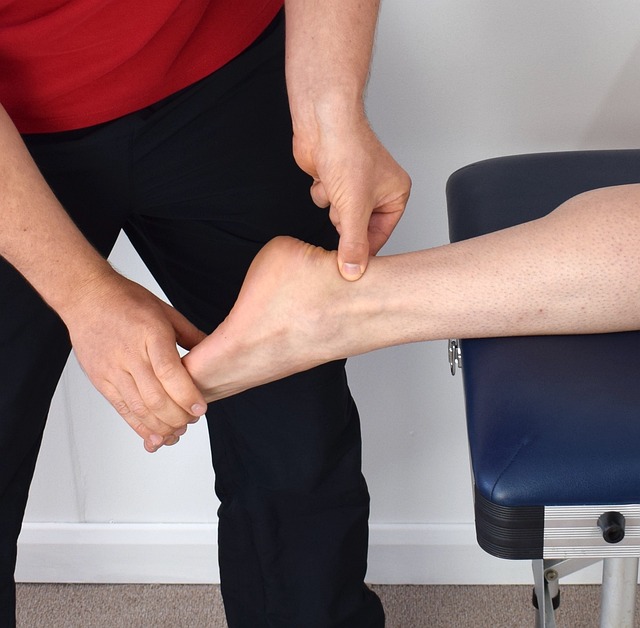
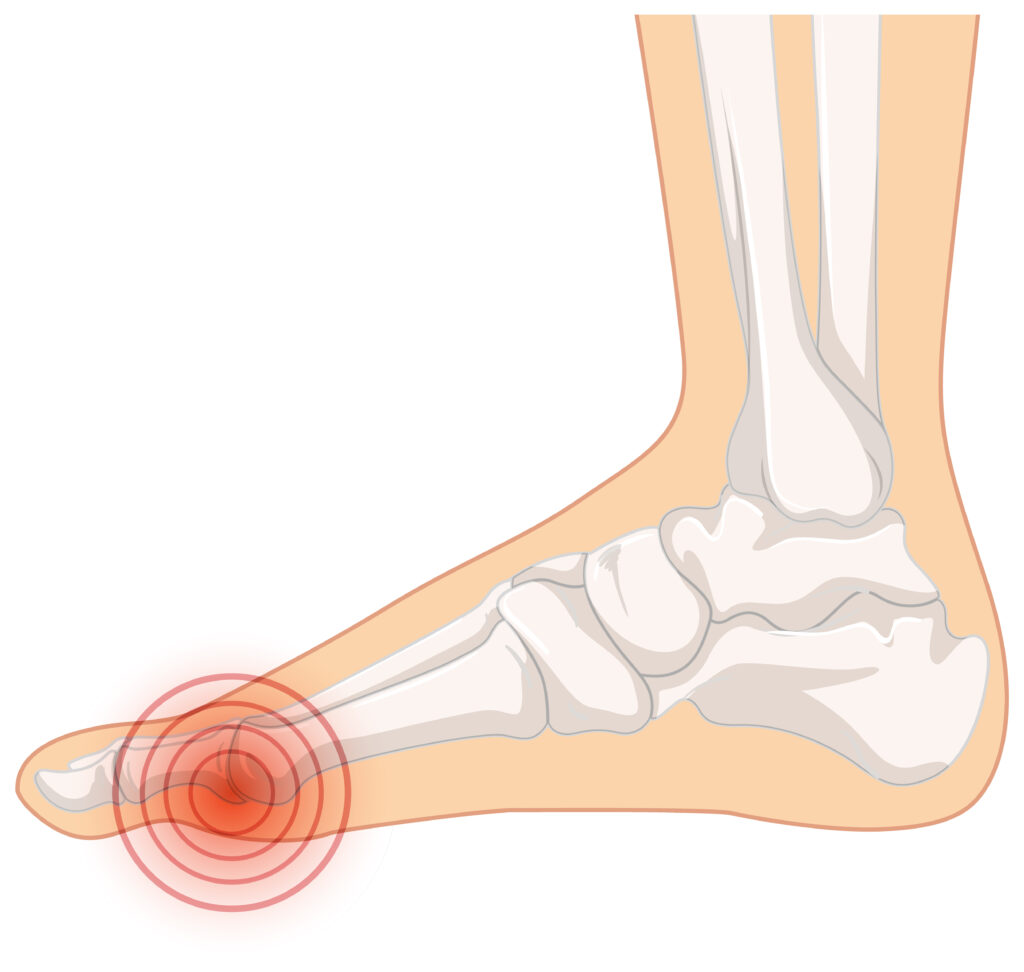
Hammer toe being looked at by a foot doctor

If you’ve been experiencing pain or discomfort in your toes, specifically a bent or curled appearance resembling a hammer, you might be dealing with a common foot condition called hammer toes. In this blog post, we will discuss the causes, symptoms, and range of treatments available for hammer toes. We’ll also delve into why it is essential to consult a podiatrist when you believe you have a hammer toe for proper diagnosis and comprehensive care.

Understanding Hammer Toes

Hammer toes are a foot deformity that primarily affects the second, third, or fourth toes. The condition is characterized by an abnormal bend in the middle joint of the affected toe, causing it to resemble a hammer. This deformity can be flexible or rigid, with varying degrees of severity.

What Causes Hammer Toes?

There are several factors that can contribute to the development of hammer toes:

  1. Muscle imbalance: An imbalance in the muscles and tendons surrounding the affected toe can cause it to bend abnormally.
  2. Toe length: If one toe is longer than the adjacent toes, it can put excessive pressure on the toe, leading to its deformation.
  3. Foot structure: Certain foot structures, such as flat feet or high arches, can increase the risk of developing hammer toes.
  4. Arthritis: Individuals with arthritis are more prone to developing hammer toes due to joint inflammation and damage.
  5. Ill-fitting footwear: Wearing tight, narrow shoes or high heels that squeeze the toes can contribute to the development of hammer toes.

Identifying Hammer Toe Symptoms

The symptoms of hammer toes can vary depending on the severity of the condition. Here are some common signs to look out for:

  1. Toe deformity: The affected toe appears bent or curled, resembling a hammer.
  2. Pain or discomfort: Hammer toes can cause pain and discomfort, particularly when wearing shoes or walking.
  3. Corns and calluses: The bent toe can rub against footwear, leading to the formation of corns and calluses.
  4. Limited range of motion: In some cases, the affected toe may become rigid, making it difficult to straighten or move.

If you are experiencing any of these symptoms, it is crucial to seek professional help from a qualified podiatrist.

Why See a Podiatrist for a Hammer Toe?

When dealing with foot conditions like hammer toes, consulting a podiatrist is highly recommended. A podiatrist is a medical specialist who focuses on the diagnosis, treatment, and prevention of foot and ankle disorders. Here’s why a podiatrist is essential for hammer toe care:

  1. Accurate Diagnosis: A podiatrist can accurately diagnose hammer toes by conducting a comprehensive examination, reviewing your medical history, and ordering any necessary imaging tests. Proper diagnosis is crucial for developing an effective treatment plan tailored to your specific needs.
  2. Expert Guidance: Podiatrists specialize in foot conditions and have extensive knowledge and expertise in managing hammer toes. They can provide you with expert guidance on appropriate footwear, exercises, and lifestyle modifications to alleviate symptoms and prevent further progression.
  3. Conservative Treatment: In the early stages, hammer toes can often be managed conservatively. A podiatrist can recommend and provide non-surgical treatments such as toe exercises, orthotic devices, splints, and padding to relieve pain and correct toe alignment.
  4. Advanced Treatment Options: In cases where conservative treatments are ineffective, a podiatrist can offer advanced treatment options. These may include corticosteroid injections to reduce inflammation, physical therapy, or, in severe cases, surgical intervention.
  5. Preventive Measures: Podiatrists emphasize the importance of preventive care. They can educate you on proper foot care techniques and recommend strategies to minimize the risk of future foot problems.

By consulting a podiatrist, you can ensure that you receive the most comprehensive and personalized care for your hammer toes, ultimately improving your foot health and quality of life.

External Links to Enhance Your Knowledge

To further enhance your understanding of hammer toes, we recommend exploring the following external resources:

  1. American Podiatric Medical Association: The APMA website provides valuable information on various foot conditions, including hammer toes. You can find resources to expand your knowledge and access a directory of qualified podiatrists in your area.
  2. WebMD: WebMD offers comprehensive articles on foot health and conditions. Their hammer toe section provides an in-depth overview of the condition, its causes, symptoms, and treatment options.

These external links will provide you with additional insights and resources to support your journey towards healthier feet.

In Summary

  • Hammer toes are a common foot condition characterized by a bent or curled appearance of the affected toes.
  • Causes of hammer toes include muscle imbalance, toe length, foot structure, arthritis, and ill-fitting footwear.
  • Symptoms of hammer toes include toe deformity, pain, corns, and limited range of motion.
  • Consulting a podiatrist is crucial for accurate diagnosis, expert guidance, and a range of treatment options.
  • Podiatrists can provide conservative treatments, advanced interventions, and preventive care strategies tailored to your needs.
  • Visit our wonderful podiatrist in the New Smyrna Beach area for exceptional care. Contact us today to schedule an appointment with our caring staff by visiting this link or calling us at 833-433-7227.

Don’t let hammer toes hinder your daily activities and overall foot health. Reach out to our experienced podiatrist and take the first step toward healthier and pain-free feet today!
Ganglion Cyst in New Smyrna Beach: A Comprehensive Guide

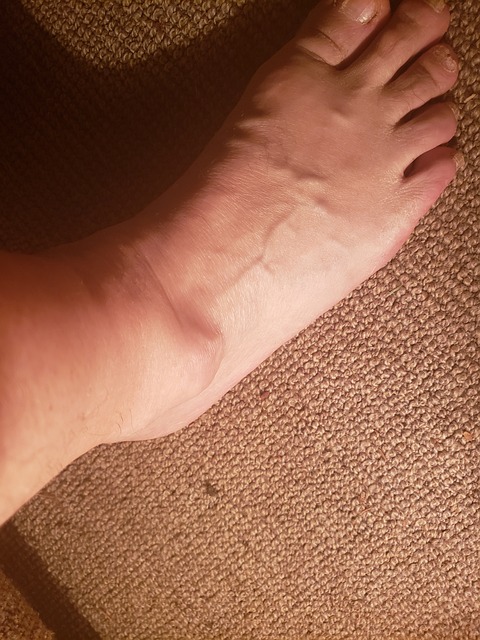
Ganglion Cyst in New Smyrna Beach

Have you noticed a peculiar lump on your ankle and wondered what it might be? Well, you could be experiencing a ganglion cyst. For anyone located in the New Smyrna Beach region, our professional podiatry services are here to help you. In this comprehensive guide, we will delve into the details of a Ganglion Cyst New Smyrna Beach, and explore why a trip to the podiatrist might be in your best interest.

Unpacking the Ganglion Cyst

Firstly, let’s define what a ganglion cyst is. It’s a non-cancerous bump, often observed on the joints or tendons of the wrists, hands, and feet. You can think of it as a fluid-filled sac that pops up from a joint or tendon, much like a water balloon on a stalk. Interestingly, these cysts can occur anywhere on your foot, but they most frequently appear on the ankle.

Spotting the Signs: Symptoms of a Ganglion Cyst

Now, you might be curious about how to identify a ganglion cyst. To be honest, it can be somewhat tricky because they may not always trigger pain or discomfort. However, some common signs to look out for include:

  • A noticeable lump that’s either soft or firm to touch
  • A tingling or burning sensation, especially if the cyst is pressing against a nerve
  • Difficulty with wearing shoes due to irritation
  • Feelings of muscle weakness or numbness

Please note, these symptoms can vary as the size of the cyst tends to change with activity levels.

The Indispensable Role of a Podiatrist

This is where a podiatrist comes into play. A podiatrist is a health care professional who specializes in diagnosing and treating conditions of the foot, ankle, and lower extremity. Should you suspect a ganglion cyst, visiting a podiatrist is vital. Not only can they perform a detailed physical examination, but they may also use imaging techniques like X-rays, ultrasound, or MRI to confirm the diagnosis.

Furthermore, a podiatrist plays a pivotal role in treating a ganglion cyst. Depending on the size, location, symptoms of the cyst, and your overall health, they can provide a range of suitable treatments.

Range of Treatments for Ganglion Cysts

So, what are these treatment options? Well, they range from non-invasive to surgical interventions:

  • Observation: In some cases where the cyst doesn’t cause significant discomfort, your podiatrist might adopt a watchful waiting approach.
  • Aspiration: Here, the fluid is drained from the cyst using a needle. While aspiration provides temporary relief, it may not prevent the cyst from coming back.
  • Surgery: If the cyst is causing pain, affecting function, or simply causes significant discomfort, surgical removal might be the way to go. A podiatrist is highly trained in such procedures, minimizing risks and ensuring optimal recovery.

For a more in-depth understanding of these treatments, the American Academy of Orthopaedic Surgeons’ website is an excellent resource.

Choosing New Smyrna Beach Podiatry Services

So why should you choose our services in New Smyrna Beach? Because we take pride in offering exceptional care, providing personalized treatments for conditions like ganglion cysts. Our highly skilled podiatrist fully comprehends the complexities of foot and ankle disorders, ensuring you’re in the best hands possible.

Moreover, we deeply value patient education, guaranteeing you’re well-informed about your condition and the available treatment options. And of course, we never compromise on your comfort and convenience, providing a warm, friendly environment and flexible scheduling.

For a quick overview of our podiatry services, feel free to click here.

To Recap

To sum up:

  • A ganglion cyst is a non-cancerous lump frequently found on the ankle.
  • Symptoms include a visible lump, tingling, irritation, and muscle weakness or numbness.
  • A podiatrist is essential in diagnosing and treating a ganglion cyst.
  • Treatments range from observation to aspiration, and even surgery in some cases.

So, Ganglion Cyst New Smyrna Beach isn’t just a search term—it’s your pathway to relief from discomfort and worry. If you suspect you have a ganglion cyst, don’t hesitate to seek professional help. We invite you to reach out to us today to schedule an appointment with our caring podiatrist. Whether you need a diagnosis, a treatment, or simply peace of mind, our dedicated staff is here to assist. Give us a call at 833-433-7227 or contact us through our website here. We look forward to serving you soon!

Don’t Let Foot Pain Ruin Your Day: Understanding and Treating Bunions in New Smyrna Beach

Painful Bunion New Smyrna Beach

If you’re suffering from a painful bump on the base of your big toe, it might be a bunion. Bunions, also known as Hallux Valgus, are common foot deformities often noticed in people wearing tight, narrow shoes or high heels. However, these aren’t the only reasons you might develop one. Bunion New Smyrna Beach residents, it’s time to stop enduring the discomfort and take a step towards healthy feet today.

Understanding Bunions

First things first, let’s understand what a bunion is. A bunion is a foot deformity characterized by a bony bump that forms at the base of your big toe. This occurs when your big toe pushes against your next toe, forcing the joint of your big toe to enlarge and stick out.

The skin over the bunion might turn red and sore. Wearing tight or narrow shoes can aggravate bunions and cause substantial foot pain. Bunions can also lead to other foot problems, including hammertoe and bursitis.

Distinguishing Hallux Valgus and Hallux Limitus/Rigidus

While bunions are often referred to as Hallux Valgus, another condition that can affect the big toe is Hallux Limitus or Rigidus. Let’s get down to distinguishing between these two.

Hallux Valgus, or the common bunion, is a condition where the big toe deviates towards the other toes. The enlargement of the big toe joint can cause discomfort and even affect your balance.

On the other hand, Hallux Limitus or Hallux Rigidus is a condition characterized by stiffness and limited motion in the big toe. This condition typically arises from osteoarthritis in the big toe joint, causing pain and difficulty walking.

Recognizing the Symptoms

If you’re experiencing persistent foot pain, it’s crucial to look out for the following symptoms:

  • A bulging bump on the outside of the base of your big toe
  • Persistent or intermittent foot pain
  • Restricted movement of your big toe if you have arthritis
  • Corns or calluses — these often develop where the first and second toes overlap
  • Sores, redness, or swelling around your big toe joint

Experiencing these symptoms? Don’t hesitate to reach out to a podiatrist. Early diagnosis and treatment can help you control the symptoms and prevent further progression of the deformity.

The Essential Role of a Podiatrist

A podiatrist is a health care professional who specializes in diagnosing and treating conditions of the foot, ankle, and related structures of the leg. They’re essential for treating foot problems like bunions, and here’s why.

Podiatrists are well-versed in the intricate anatomy of the foot and can provide an accurate diagnosis of your condition. They have the expertise to differentiate between a bunion and other similar-looking conditions. This distinction is crucial because the treatment approach varies based on the condition.

Once diagnosed, your podiatrist will suggest a treatment plan tailored to your needs. This plan might include changing your footwear, using padded shoe inserts, taking medication, or even undergoing surgery in severe cases.

For more information on foot health and bunions, visit the American Podiatric Medical Association or the American Academy of Orthopaedic Surgeons. Both of these websites provide valuable resources on foot conditions and treatments.

Summary

Let’s take a moment to summarize the key points of this blog:

  • Bunions, or Hallux Valgus, are a foot deformity where a bony bump forms at the base of your big toe.
  • Bunions are different from Hallux Limitus or Rigidus, which are conditions characterized by stiffness and limited motion in the big toe.
  • Bunions can be recognized by a bulging bump on the outside of the base of your big toe, persistent foot pain, restricted movement, or the formation of corns or calluses.
  • A podiatrist plays an essential role in diagnosing and treating bunions due to their specialized knowledge of foot anatomy and conditions.

Now that you’re equipped with all the essential knowledge about Bunion New Smyrna Beach residents, don’t let foot pain hold you back any longer. Painful, sore feet aren’t something you need to put up with. Remember, healthy feet are happy feet.

Let’s Get You Back on Your Feet

Whether it’s a bunion, Hallux Valgus, or Hallux Limitus/Rigidus that’s causing you discomfort, our podiatrist at New Smyrna Beach is here to provide expert, compassionate care. We believe in creating a warm and friendly environment where our patients can relax while receiving the best foot care.

It’s time to take that first step towards relief. Contact us today to schedule an appointment with our wonderful podiatrist. We are ready to listen to your concerns, diagnose your condition accurately, and help you on your path to pain-free feet. Visit www.footdoctornewsmyrnabeach.com/contact or call us on 833-433-7227. We look forward to welcoming you and helping you get back on your feet!

Taking a Step towards Healthy Feet: Understanding the Importance of Diabetic Foot Care in New Smyrna Beach

Diabetic Foot care in New Smyrna

Let’s begin with the essentials. Diabetic Foot Care in New Smyrna is crucial for everyone living with diabetes. Whether you’re new to the area or a longtime resident, we’re here to assist you in maintaining your foot health and ensuring you avoid serious diabetic foot complications.

The Importance of Foot Care in Diabetes

Diabetes, a chronic condition, can bring along various complications. Among them, one that often gets underestimated is foot care. As benign as it may sound, lack of foot care in diabetes can lead to serious conditions. Why? Because high blood sugar levels can cause damage to nerve fibers in your feet, a condition known as peripheral neuropathy.

Symptoms of diabetic neuropathy include:

  • Numbness or decreased ability to feel pain or temperature changes
  • Tingling or burning sensation
  • Sharp pains or cramps
  • Increased sensitivity to touch

This condition often leads to two critical issues. First, it can alter your foot’s shape, causing you to distribute your weight unevenly and consequently forming calluses. Secondly, the loss of sensation means that even minor cuts or blisters may go unnoticed until they become significant, infected wounds. This can potentially lead to ulcers and even amputation if not treated promptly.

Moreover, diabetes can also reduce blood flow to the feet, making it harder for these wounds to heal. This is where the role of diabetic foot care in New Smyrna becomes crucial.

The Role of a Podiatrist in Diabetic Foot Care

An expert in foot care, a podiatrist, can be a critical partner in your fight against diabetes-related foot complications. They are skilled in identifying foot issues early, before they exacerbate into severe conditions. Regular foot examinations by a podiatrist are an integral part of diabetic foot care in New Smyrna.

A podiatrist can assist you by:

  • Regularly examining your feet for any changes or signs of potential problems
  • Providing advice and treatment for foot problems like ulcers, fungal infections, hammertoes, bunions, and more
  • Advising on how to care for your feet at home
  • Offering guidance on the right footwear

Preventive foot care is significantly more cost-effective, less painful, and less risky than treatment procedures following a severe foot complication. Therefore, regular checkups by a podiatrist should be as vital in your diabetes management plan as controlling your blood sugar levels.

Diabetic Foot Care – The Key Steps

Professional foot care is crucial, but so is regular foot care at home. Here are some key steps for diabetic foot care in New Smyrna that you should follow:

  1. Daily foot check: Check your feet daily for cuts, blisters, red spots, and swelling. Use a mirror or ask a family member for help if you cannot see your feet clearly.
  2. Wash your feet every day: Use lukewarm (not hot) water and dry them gently, especially between the toes.
  3. Moisturize your feet: Keep your skin soft and smooth to prevent cracks. However, avoid applying lotion between your toes as it might cause a fungal infection.
  4. Never go barefoot: Always wear shoes or slippers to protect your feet.
  5. Choose the right shoes: Make sure they are comfortable and do not rub or pinch your feet.
  6. Quit smoking: Smoking can worsen circulatory problems, increasing the risk of amputation.

Additionally, the American Diabetes Association (ADA) has some excellent resources on diabetic foot care.

Wrapping Up: A Recap on Diabetic Foot CareIn New Smyrna

As we’ve discussed, diabetic foot care is not just about checking your feet regularly and keeping them clean. It’s also about managing your diabetes effectively, choosing the right footwear, and above all, it’s about teaming up with a professional podiatrist who can guide and support you in taking the right measures to protect your feet.

Remember:

  • Diabetes can cause nerve damage and reduce blood flow to your feet, increasing the risk of foot complications.
  • Symptoms of diabetic neuropathy include numbness, tingling, sharp pain, or increased sensitivity.
  • Podiatrists play a critical role in preventing, identifying, and treating foot complications in diabetes.
  • Regular foot examinations by a podiatrist should be a crucial part of your diabetes care plan.
  • At-home foot care is as essential as professional foot care.

Preventive care is always better than cure. By recognizing the importance of foot care and acting accordingly, you can prevent severe foot complications related to diabetes.

Diabetes should not be a roadblock in your life. With the right care, guidance, and attitude, you can live a healthy, fulfilling life. We invite you to take that step towards better health and foot care.

To take control of your diabetic foot health, we invite you to contact us today and schedule an appointment with our wonderful podiatrist and our caring team. Your feet are in safe hands with us. Give us a call now at 833-433-7227 to embark on your journey towards better foot health.

Stress Fractures and Why You Need a Podiatrist

Stress Fracture that needs a podiatrist

Whether you’re a seasoned marathon runner or simply someone who loves to keep active, the term stress fractures might ring a bell. However, how much do you truly understand about these small yet potentially debilitating bone cracks, their symptoms, and why a stress fractures podiatrist could be your ticket to a pain-free life?

Understanding Stress Fractures

Stress fractures signify small fissures that occur in your bones due to overuse or continuous, high-intensity activity. These fractures most commonly manifest in the lower extremities, especially in the weight-bearing bones of the foot and lower leg, often a result of running, jumping, or other high-impact exercises.

Detecting the Symptoms

To deal with stress fractures effectively, it’s vital to identify their symptoms early on. Pain is typically the primary indicator, which starts as a minor annoyance but can intensify with ongoing physical activity. Other symptoms include swelling on the top of the foot or around the ankle, as well as tenderness when touched at the fracture site. If these symptoms persist or worsen even after adequate rest and home treatment, you should consult a podiatrist immediately.

The Role of a Stress Fractures Podiatrist

You might wonder, “why a podiatrist?” Simply put, podiatrists specialize in foot health, making them the most equipped healthcare professionals to diagnose and treat stress fractures. An experienced podiatrist can devise a comprehensive treatment plan that not only facilitates healing but also prevents further damage.

Our team at www.footdoctornewsmyrnabeach.com/contact includes a dedicated, skilled podiatrist adept in treating stress fractures.

Treatment Approaches for Stress Fractures

Stress fractures can dramatically influence your daily life by restricting mobility and causing discomfort. Here’s how a stress fractures podiatrist can help:

Non-Surgical Treatment

Initial treatment strategies generally comprise rest, icing, and over-the-counter pain medication. Your podiatrist may also recommend immobilizing the affected area with a cast or special footwear to aid the healing process.

Surgical Intervention

In certain cases, where the fracture fails to heal with non-surgical treatment, surgery might be deemed necessary. Your podiatrist will guide you through this decision, ensuring you understand when such an intervention is required.

Rehabilitation and Preventive Measures

Post-treatment, your podiatrist will assist you in gradually resuming your regular activities. They’ll also offer advice on how to prevent future stress fractures.

Prevention is Key

As per the old adage, “an ounce of prevention is worth a pound of cure,” and it’s particularly applicable to stress fractures. Your podiatrist will provide tips on how to prevent these injuries, such as using appropriate footwear, incorporating strength training into your routine, and escalating workout intensity slowly. You can find more tips on prevention of stress fractures here.

Why Us?

At www.footdoctornewsmyrnabeach.com, we understand the critical role of healthy, pain-free feet in leading a fulfilling, active life. Our podiatrist, backed by a caring and dedicated team, is committed to helping you overcome stress fractures.

Our patient-centric approach, coupled with our comprehensive treatment options, makes us the top choice for those seeking a stress fractures podiatrist.

In Conclusion

Stress fractures can significantly impede your lifestyle, but the right care can help you return to yournormal routine. It’s crucial to identify and address the problem early on. If you’re experiencing symptoms associated with stress fractures, don’t hesitate to seek help.

Our stress fractures podiatrist at www.footdoctornewsmyrnabeach.com is ready to assist you. Our caring and experienced team is just a phone call away. Contact us today at 833-433-7227 to schedule an appointment.

Key Takeaways

  • Stress fractures are small cracks in the bones, typically caused by overuse or repetitive high-impact activities.
  • Symptoms include pain that worsens with physical activity, swelling on the top of the foot or around the ankle, and tenderness at the fracture site.
  • A stress fractures podiatrist specializes in diagnosing and treating these fractures effectively, providing comprehensive care that includes non-surgical treatment, surgical intervention (if necessary), and rehabilitation.
  • Preventive strategies are also crucial to prevent future stress fractures.
  • Our team at www.FootDoctorNewSmyrnaBeach.com offers patient-centric, comprehensive podiatric care. Contact us today at 833-433-7227 to schedule an appointment.

In pain and need a solution? Don’t let stress fractures put a damper on your life. Reach out to us today, and take the first step towards a pain-free existence! Here is another great resource on foot health you can check out: American Podiatric Medical Association (APMA).

Understanding Tinea Pedis and Tinea Unguium: Why a Podiatrist Visit is Essential

inea Pedis and Tinea Unguium, what is it?

Welcome to your all-in-one resource for understanding the conditions known as Tinea Pedis and Tinea Unguium. If you’ve ever experienced itchy, red, cracked, and peeling skin on your feet or discolored, thickened, and brittle nails, you might have encountered these two common fungal infections.

What are Tinea Pedis and Tinea Unguium?

Tinea Pedis, more commonly known as athlete’s foot, and Tinea Unguium, also known as onychomycosis, are skin and nail infections caused by fungi. Both these conditions can significantly impact a person’s quality of life. Though they may seem like minor issues, they’re not just cosmetic problems but can lead to more serious complications if left untreated.

Tinea Pedis

Tinea Pedis is a fungal infection that primarily affects the skin on the feet, particularly between the toes. It’s commonly associated with sports and exercise facilities, hence the name ‘athlete’s foot’. However, it can occur anywhere and affect anyone, regardless of their physical activity level.

Symptoms of Tinea Pedis:

  • Itching, stinging, and burning between your toes
  • Itchy blisters
  • Cracking and peeling skin
  • Dry skin on the soles or sides of the feet
  • Discolored, thick, and crumbly toenails

Tinea Unguium

On the other hand, Tinea Unguium affects the nails, particularly of the toes. The fungi that cause this infection thrive in warm, moist environments, and can infiltrate the skin through tiny cuts or small separations between the nail and nail bed.

Symptoms of Tinea Unguium:

  • Yellow, brown, white or green discoloration of the nail
  • Thickened nails that can be difficult to cut
  • Nail that is brittle, crumbly, ragged, or distorted in shape
  • Pain in the toes or fingertips
  • Slight foul odor

Importance of Visiting a Podiatrist

Experiencing Tinea Pedis and Tinea Unguium can be both uncomfortable and frustrating. These conditions are stubborn, and without proper treatment, they may recur even after seeming to have been eradicated. That’s where a podiatrist, or foot doctor, comes into play. Podiatrists specialize in diagnosing and treating conditions of the foot, ankle, and related structures of the leg.

While you may think that over-the-counter treatments are enough, consulting with a podiatrist for Tinea Pedis and Tinea Unguium can make a world of difference. These professionals possess the expertise to provide appropriate treatment options tailored to your specific condition, lifestyle, and health history. They can provide a comprehensive care plan that addresses not only the symptoms but also the underlying cause to prevent recurrence.

Treatment of Tinea Pedis and Tinea Unguium by a Podiatrist:

Podiatrists can provide both topical and oral treatments for these conditions. They may prescribe antifungal creams, ointments, lotions, and sprays for Tinea Pedis. For severe or chronic cases, or for Tinea Unguium, oral antifungal medications may be recommended.

Sometimes, when the nail is severely affected by Tinea Unguium, a podiatrist might perform a minor surgical procedure to remove the nail. This will allow direct application of a topical antifungal to the infected area, thus enhancing the effectiveness of the treatment.

Another important role of the podiatrist is to provide education on preventing future infections. This includes advice on proper foot hygiene, selection of breathable footwear, and regular foot inspections to catch recurrent infections early.

Conclusion

Tinea Pedis and Tinea Unguium might seem like simple skin and nail conditions, but they can cause significant discomfort and potentially lead to further complications if not properly addressed. The key to managing these conditions effectively lies in understanding them fully and seeking professional help when needed.

At www.footdoctornewsmyrnabeach.com, we are here to help. Our wonderful podiatrist and caring staff are equipped with the knowledge and tools to diagnose, treat, and prevent Tinea Pedis and Tinea Unguium effectively.

Don’t let foot and nail fungi slow you down. Reach out to us today to schedule an appointment. You can also call us at 833-433-7227 for more information.

Key Takeaways:

  • Tinea Pedis and Tinea Unguium are common fungal infections affecting the skin and nails.
  • Symptoms can range from itching and burning to discoloration and thickness of nails.
  • Seeking professional help from a podiatrist is essential for effective treatment.
  • Podiatrists provide comprehensive care, from prescribing medication to providing preventative education.
  • Contact us today to schedule an appointment with our wonderful podiatrist and caring staff.

Understanding Osteoarthritis: Your Foot & Ankle Health in New Smyrna Beach

Woman suffering with Osteoarthritis in New Smyrna Beach
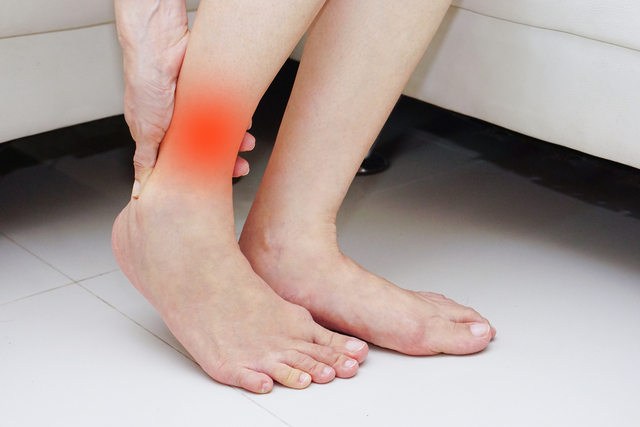
Woman suffering from ankle pain from Osteoarthritis

Living with pain or discomfort in your feet and ankles? You may be experiencing the effects of osteoarthritis. In the heart of New Smyrna Beach, our exceptional podiatrists are experts in diagnosing and treating Osteoarthritis in New Smyrna Beach. Let’s dive deeper into understanding this condition.

What is Osteoarthritis?

Osteoarthritis (OA) is a degenerative joint disease, often referred to as “wear and tear” arthritis. This condition occurs when the protective cartilage that cushions the ends of your bones wears down over time. Although osteoarthritis can affect any joint in your body, the disorder most commonly affects joints in your hands, knees, hips, and spine. Osteoarthritis in the foot and ankle is more common than many realize.

The Symptoms of Osteoarthritis in Feet and Ankles

The common symptoms of osteoarthritis in the feet and ankles include:

  • Pain and stiffness in the joint
  • Swelling around the joint
  • Difficulty walking or performing daily activities

The pain can be mild or severe, often becoming more pronounced after activity. If you’re experiencing these symptoms, it’s essential to seek medical attention to manage the condition effectively.

Causes and Risk Factors

Osteoarthritis tends to develop as a result of the natural aging process. However, it can also be triggered by trauma to the joint, such as a fracture or severe sprain. Other risk factors include:

  • Age
  • Obesity
  • Family history
  • Previous injury

How A Foot Doctor Treats Osteoarthritis in New Smyrna Beach

When it comes to treating osteoarthritis in your feet and ankles, the approach is typically conservative at first. Initial treatments often include over-the-counter pain relievers and anti-inflammatory medications, physical therapy, and supportive shoes or inserts. If these measures don’t provide enough relief, your podiatrist may recommend corticosteroid injections or viscosupplementation (an injection of a lubricating fluid) into the joint.

In some cases, surgery may be necessary. This could involve cleaning the arthritic joint, eliminating bone spurs, or even replacing the joint. Rest assured, our podiatrists in New Smyrna Beach are committed to helping you find the best treatment plan for your unique needs.

The American Academy of Orthopaedic Surgeons provides an in-depth look at treatment options for osteoarthritis. Additionally, the Arthritis Foundation offers useful tips for living with osteoarthritis.

Preventive Measures

While you can’t completely prevent osteoarthritis, there are steps you can take to reduce your risk and slow the progression of the disease, such as:

  • Maintaining a healthy weight
  • Staying active
  • Avoiding injury

Remember, your feet and ankles bear the weight of your entire body. Taking care of them goes a long way in preserving your overall health.

In Summary:

  • Osteoarthritis is a degenerative joint disease that can affect any joint, including those in your feet and ankles.
  • Common symptoms include pain, stiffness, and swelling in the affected joint.
  • Although age is a significant factor, obesity, family history, and previous injury can also increase the risk.
  • Treatment often starts with conservative approaches like medication and physical therapy but can advance to injections or surgery if necessary.
  • While not entirely preventable, you can take steps to reduce your risk and slow the progression of osteoarthritis.

When it comes to osteoarthritis in New Smyrna Beach, you don’t have to face it alone. Our dedicated team at www.footdoctornewsmyrnabeach.com is here to guide you through every step of your journey. Our caring staff and experienced podiatrists understand your concerns, and we are committed to providing you with personalized care and effective treatment options.

Why endure another day of discomfort? Don’t let osteoarthritis keep you from the activities you love. Contact us today at www.footdoctornewsmyrnabeach.com/contact or call us at 833-433-7227 to schedule an appointment with our exceptional podiatrist. Your foot and ankle health is our priority!

Handling Ingrown Toenails in New Smyrna Beach: From Symptoms to Treatment

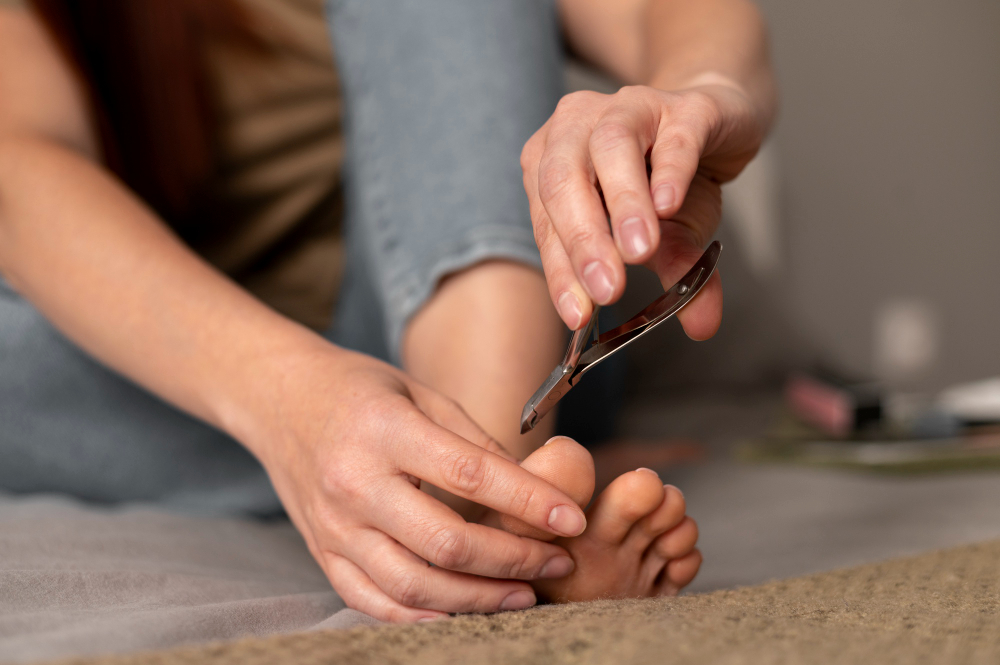
Caring for an Ingrown Toenail in New Smyrna Beach
Image by Freepik

Ingrown toenails are a common yet often misunderstood issue, impacting the lives of numerous individuals in New Smyrna Beach. If you’re grappling with this painful condition, you’re not alone, and more importantly, help is available. This comprehensive guide aims to provide you with the necessary information about ingrown toenails, including understanding the condition, recognizing the symptoms, and knowing the professional treatments that a foot doctor can provide.

Deep Dive Into Ingrown Toenails

First and foremost, let’s unpack the mystery of ingrown toenails. Also known as onychocryptosis, this condition arises when the corner or side of your toenail curves and grows into the surrounding skin. The result? Pain, inflammation, redness, and in some cases, an infection.

Ingrown toenails primarily affect the big toe, but they can occur on any toe. Several factors can contribute to their development, including incorrect toenail trimming techniques, wearing tight-fitting shoes or high heels too often, sustaining a toe injury, or having naturally curved toenails. Certain individuals may be more prone to this condition due to genetic predisposition.

Detecting the Signs: Symptoms of Ingrown Toenails

Understanding the symptoms of ingrown toenails is crucial for early detection and treatment. Here’s what you should look out for:

  • Pain and Sensitivity: This is usually the first sign. You may experience discomfort along one or both sides of your toenail, which often worsens while wearing shoes.
  • Swelling and Redness: The skin surrounding your toenail might become swollen and red, indicating an inflammatory response.
  • Infection Indicators: In more severe cases, the area might exhibit signs of infection like pus, increased redness, and heat.

Should you notice any of these symptoms, it’s time to seek professional medical help. As stated by the Mayo Clinic, delaying treatment for an ingrown toenail can lead to severe complications, especially if you have conditions like diabetes that cause poor blood flow to your feet.

Your Treatment Options for Ingrown Toenails in New Smyrna Beach

Once you’ve identified the problem, the next step is seeking treatment. While home remedies may provide temporary relief, the expertise of a foot doctor is crucial to address the issue effectively, particularly when there’s an infection involved.

Here are some professional treatments that a podiatrist may recommend:

  1. Lifting the Nail: If your ingrown toenail is in an early stage, the doctor might lift the ingrown edge and place a small piece of cotton, dental floss, or a splint under it. This procedure helps the nail grow above the skin edge instead of into it.
  2. Partial Nail Removal: In more severe cases, the podiatrist may administer a local anesthetic to numb your toe, followed by the removal of the offending part of the nail. An ointment may be applied to the area to prevent the problematic part from growing back.
  3. Nail and Tissue Removal: In recurrent cases, the doctor might suggest removing a section of the nail along with the underlying tissue (nail bed). This procedure, though more invasive, prevents the ingrown toenail from recurring.

For additional information about these treatments, please refer to the American Academy of Dermatology Association’s website.

Summing Up: Key Points on Ingrown Toenails

We’ve covered quite a lot, so let’s summarize:

  • Ingrown toenails occur when your toenail grows into the surrounding skin, leading to pain, redness, and potential infection.
  • Detecting the signs early is crucial to prevent complications. Look out for symptoms such as pain, swelling, redness, and signs of infection.
  • Professional treatment from a foot doctor is key to resolving the issue effectively. Options range from lifting the nail to partial or complete nail removal.

At Foot Doctor New Smyrna Beach, we understand that dealing with an ingrown toenail can be distressing. Our experienced and caring podiatrist is ready to provide the help you need.

Don’t let the discomfort of an ingrown toenail hinder your daily life. Reach out to the professionals who care. If you’re dealing with an ingrown toenail in New Smyrna Beach, contact us today at 833-433-7227 to schedule an appointment. Our skilled podiatrist and compassionate team are here to help you stride into a future of healthier, happier feet.

Living Pain-Free: Overcoming Achilles Tendonitis in New Smyrna Beach

Treatment for Achilles Tendonitis in New Smyrna Beach

Are you experiencing a throbbing, persistent pain in your heel or the back of your lower leg? If the answer is yes, then you might be suffering from Achilles Tendonitis. Here in New Smyrna Beach, Achilles Tendonitis is not uncommon, and it is a condition that many adults face, especially those active in sports or strenuous activities.

Achilles Tendonitis can make even simple tasks like walking or climbing stairs an agonizing experience. At www.footdoctornewsmyrnabeach.com, we are passionate about helping you overcome this challenging condition and reclaim your life from pain.

Understanding Achilles Tendonitis

So, what exactly is Achilles Tendonitis? To put it simply, Achilles Tendonitis is an overuse injury of the Achilles tendon. This thick band of tissue connects your calf muscles to your heel bone. When this tendon is overused or stressed, it can cause inflammation, leading to pain and discomfort – a condition we call Achilles Tendonitis.

In our sunny town of New Smyrna Beach, Achilles Tendonitis can be a common occurrence due to a lifestyle that often includes running, beach volleyball, and other activities that can place undue stress on the Achilles tendon.

Spotting the Symptoms

Identifying Achilles Tendonitis early can significantly reduce its impact on your life. Common symptoms include:

  • Persistent pain in the back of your heel or lower leg.
  • Swelling in the heel area, particularly after physical activity.
  • Tenderness or stiffness in the morning, which usually improves with mild activity.

But, don’t worry! In New Smyrna Beach, Achilles Tendonitis is something we understand well. Our experienced foot doctor can diagnose and treat this condition, helping you return to your normal activities.

Achilles Tendonitis Treatment: Our Approach

At our podiatry clinic, the treatment of Achilles Tendonitis in New Smyrna Beach is patient-centered. Our foot doctor will begin with a comprehensive assessment of your condition, taking into account factors such as your lifestyle, the severity of your pain, and your general health.

Treatment typically starts with conservative measures:

  1. Rest and Ice: Giving your feet a break is crucial. Ice application can also help to alleviate swelling and pain.
  2. Physical Therapy: Gentle exercises can strengthen the calf muscles and alleviate stress on the Achilles tendon.
  3. Orthotics: Custom shoe inserts, available from our clinic, can provide the necessary support and reduce strain on the Achilles tendon.
  4. Medication: Non-steroidal anti-inflammatory drugs (NSAIDs) can help to manage the pain and inflammation.
  5. Lifestyle Changes: Modifications to your physical activities can prevent worsening of the condition.

For severe cases of Achilles Tendonitis in New Smyrna Beach, more advanced treatments, such as Shock Wave Therapy or surgery, may be necessary. However, these are generally the last resort and are considered only when all conservative treatments have failed.

Summing It All Up

In summary:

  • Achilles Tendonitis is an overuse injury of the Achilles tendon causing pain and discomfort.
  • Symptoms include persistent pain in the heel or lower leg, swelling, and morning stiffness.
  • The treatment begins with conservative measures such as rest, ice, physical therapy, orthotics, medication, and lifestyle changes.
  • More advanced treatments, like shock wave therapy or surgery, are considered for severe cases.

At our podiatry clinic in New Smyrna Beach, our dedicated team, led by our experienced foot doctor, is committed to helping you overcome Achilles Tendonitis. We offer a patient-centered approach and will walk with you every step of the way until you are back to your regular activities.

Don’t let Achilles Tendonitis keep you from enjoying the beach life. Contact us today at www.footdoctornewsmyrnabeach.com/contact or call us at 833-433-7227 to schedule an appointment with our caring team. Let us help you stride confidently towards a pain-free life once again.

Understanding Plantar Fasciitis in New Smyrna Beach: A Comprehensive Guide

Plantar Fasciitis in New Smyrna Beach
The pain of Plantar Fasciitis.

Have you been waking up to a nagging, stabbing pain in your foot that just seems to persist throughout the day? If so, you might be experiencing a common, yet often ignored condition known as plantar fasciitis. In the charming city of New Smyrna Beach, our clinic is dedicated to helping individuals understand, manage, and ultimately overcome this debilitating condition.

What Exactly is Plantar Fasciitis?

According to the trusted Mayo Clinic, plantar fasciitis occurs due to inflammation of the plantar fascia. This is a strong, web-like ligament extending from your heel to the base of your toes. Primarily, this ligament’s function is to absorb shocks and provide support to your foot’s arch. However, when this ligament comes under excessive strain, it can lead to plantar fasciitis.

While plantar fasciitis tends to be more common in middle-aged individuals, it can also afflict younger people who are often on their feet, such as athletes and those in active professions. So, whether you’re a fitness fanatic or a fan of leisurely walks around New Smyrna Beach, plantar fasciitis can potentially affect you.

Identifying the Condition: Symptoms of Plantar Fasciitis

The most telling symptom of plantar fasciitis is a sharp, intense pain near the heel or along the base of your foot. Generally, this pain is at its peak with the first steps following waking up or after extended periods of standing or sitting.

You may also observe swelling or redness in the area around your heel. Additionally, some people may unconsciously change their walking style to avoid putting pressure on the affected foot, in an attempt to minimize pain.

If you are residing in New Smyrna Beach and these symptoms seem familiar, it’s crucial not to ignore them. Our skilled foot doctor can accurately diagnose your condition and provide a treatment plan tailored to your needs.

How a Podiatrist Can Help Treat Plantar Fasciitis

When dealing with plantar fasciitis, early intervention from a podiatrist can make a substantial difference to your recovery. Here at our New Smyrna Beach clinic, our podiatrist adopts a thorough approach to treat plantar fasciitis, beginning with a comprehensive examination and accurate diagnosis.

Firstly, the treatment usually involves conservative methods. As WebMD explains, these can include:

  • Rest and Ice: By resting your foot and applying ice, you can help alleviate inflammation and reduce pain.
  • Pain Relief Medication: Over-the-counter NSAIDs, such as ibuprofen, can be effective in controlling pain and reducing inflammation.
  • Physical Therapy: Exercises designed to stretch the plantar fascia and Achilles tendon, as well as strengthen lower leg muscles, can stabilize your walk and reduce the burden on your plantar fascia.
  • Orthotics or Arch Supports: These custom-fitted arch supports can provide superior structural support to your feet, minimizing strain on the plantar fascia.

In cases where plantar fasciitis persists despite conservative treatments, other options may be considered. These could include corticosteroid injections, extracorporeal shock wave therapy, or even surgery in rare instances.

Why Choose Our Clinic in New Smyrna Beach?

At our New Smyrna Beach clinic, our dedicated podiatrist offers exemplary care for individuals grappling with plantar fasciitis. We understand the impact of foot pain on your daily life and are committed to helping you regain your mobility and comfort. Our friendly and caring team strives to make every visit to our clinic as comfortable and productive as possible.

Don’t allow the pain of plantar fasciitis to prevent you from enjoying the beauty of New Smyrna Beach. We’re here to deliver the care you need and deserve.

In Summary: Key Points on Plantar Fasciitis in New Smyrna Beach

To wrap up, let’s review the important points about plantar fasciitis:

  • Plantar fasciitis is a condition caused by inflammation of the plantar fascia, a robust ligament extending from your heel to your toes.
  • Its characteristic symptom is a sharp, stabbing pain near the heel or along the bottom of the foot.
  • Symptoms usually manifest with the first steps after waking or after extended periods of standing or sitting.
  • Common treatments include rest, ice, pain relief medication, physical therapy, and orthotics.
  • In stubborn cases, treatment options might expand to corticosteroid injections, shock wave therapy, or in rare instances, surgery.
  • A podiatrist can offer professional diagnosis and personalized treatment plans to manage and overcome plantar fasciitis.

Remember, enduring foot pain is not a necessity. With professional care and an effective treatment plan, you can reclaim your active lifestyle in New Smyrna Beach.

Living in New Smyrna Beach and dealing with plantar fasciitis? Don’t let foot pain control your life. Reach out to our fantastic podiatrist today. Visit www.footdoctornewsmyrnabeach.com/contact or call us at 833-433-7227. We look forward to welcoming you to our clinic and helping you embark on a journey towards a pain-free life.